Monthly Archives: February 2015

South Florida Nature Center Crawl

Before and after our Bahamas mini-trip back in 2013, Arthur and I visited four different nature centers: Gumbo Limbo Nature Center; Hobe Sound Nature Center; Loggerhead Marinelife Center; and Busch Wildlife Sanctuary.

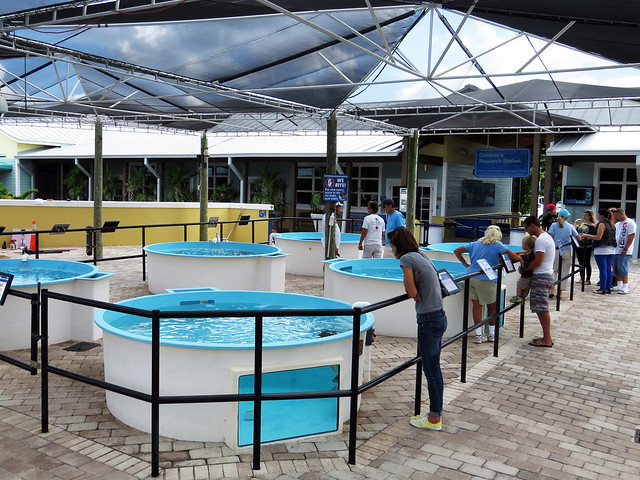
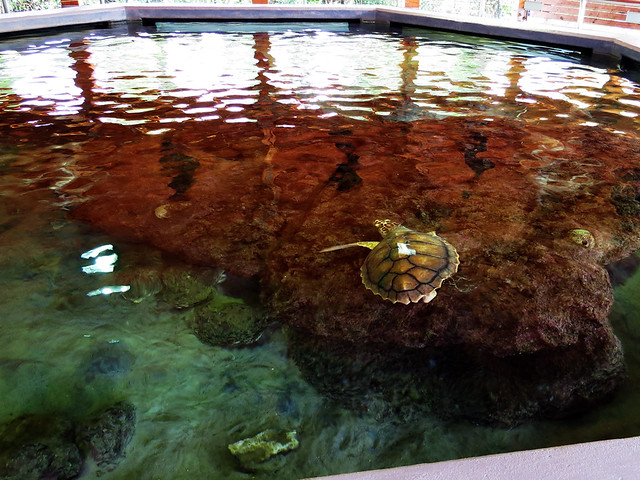
We stopped at Gumbo Limbo on our way down to Lauderdale-by-the-Sea. Gumbo Limbo is a turtle rehabilitation and research center as well as a nature center. They have an impressive setup of tanks holding all kinds of marine life. There are viewing platforms above the tanks and windows below for visitors to peer inside. They also have a permanently injured, non-releasable resident sea turtle in one of the tanks.
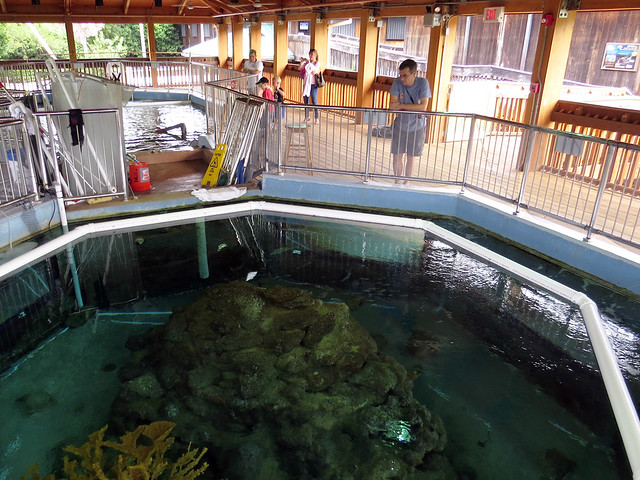
Gumbo Limbo tanks

Gumbo Limbo resident turtle

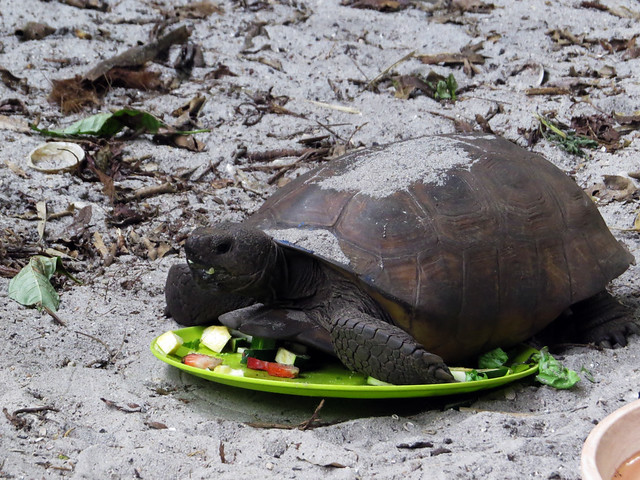
Gopher Tortoise at Gumbo Limbo

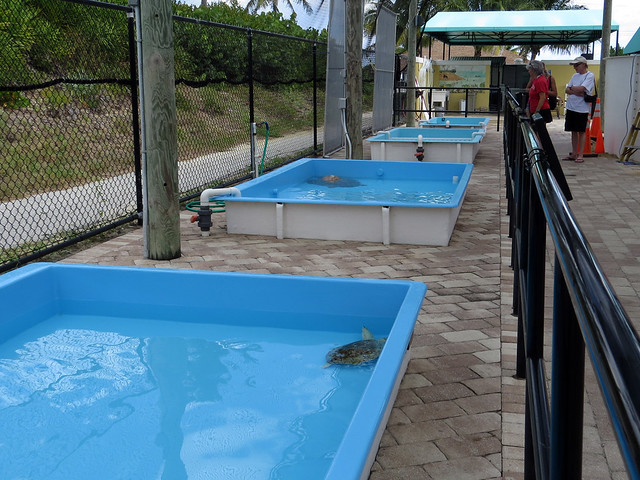
We visited the sea turtle rehab area, where we could get up close looks at some of the patients in their tanks.
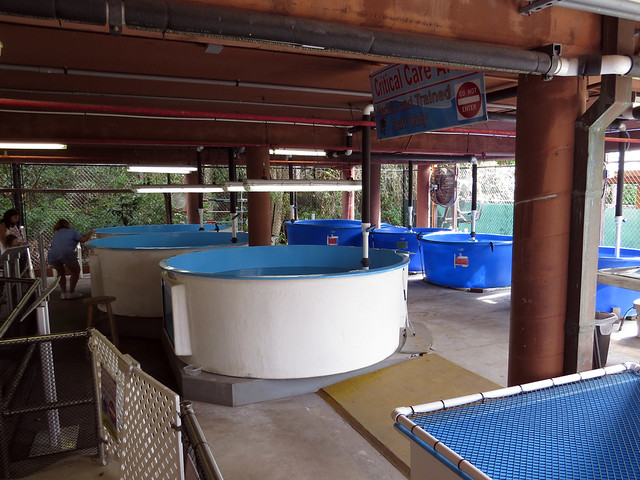
Gumbo Limbo turtle rehab

Gumbo Limbo turtle rehab

During our self-guided tour, we visited part of the research facility on the property. Sea turtle research is conducted by Florida Atlantic University and other organizations in the laboratory. The setup here was interesting. From a gallery level, we could look down at hundreds of baby sea turtles in little baskets in the facility. There’s plenty of signage explaining much of the work that was taking place.
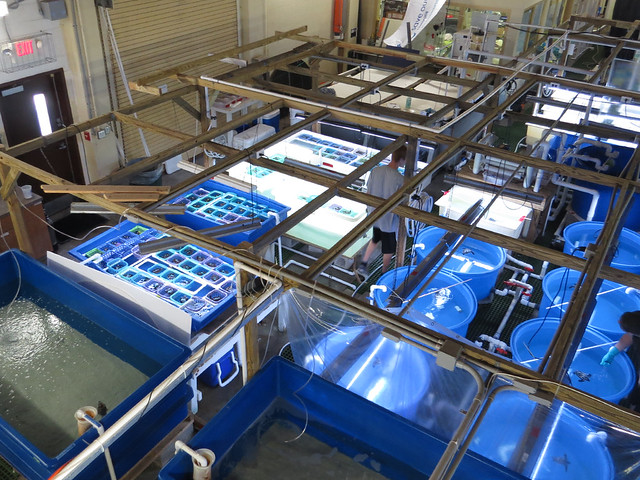
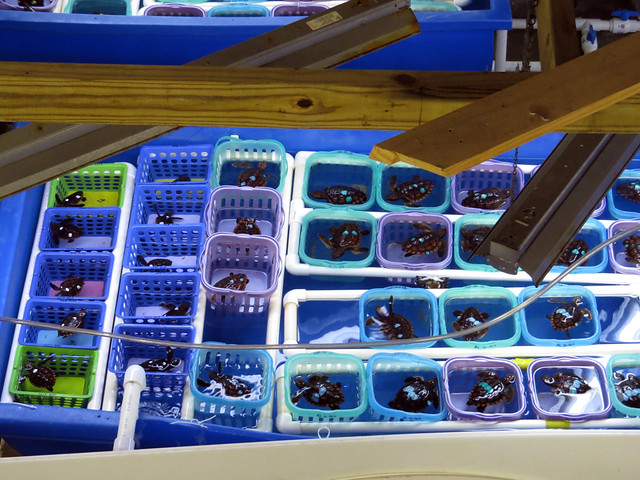
Gumbo Limbo turtle research

Gumbo Limbo turtle research

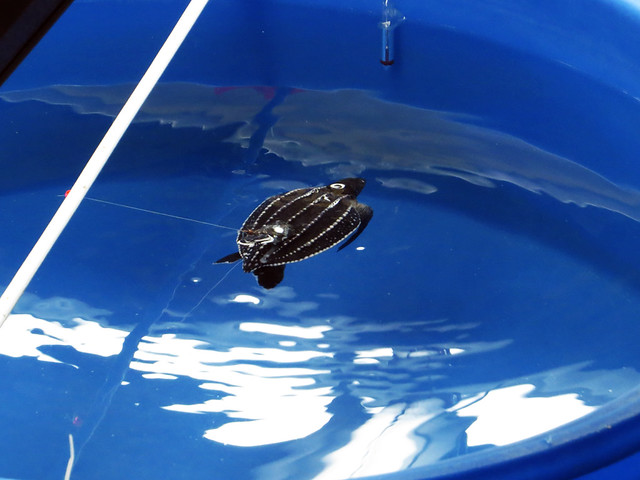
Leashed Leatherback at Gumbo Limbo
Leatherbacks are particularly prone to hurt themselves by swimming into the edges of their tanks — hence the leash

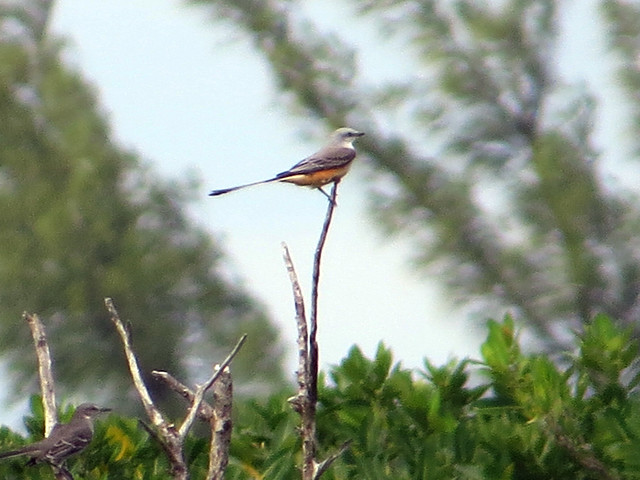
During our visit, we walked the boardwalk nature trail, complete with observation tower. There we found a locally semi-rare bird, a Scissor-tailed Flycatcher.

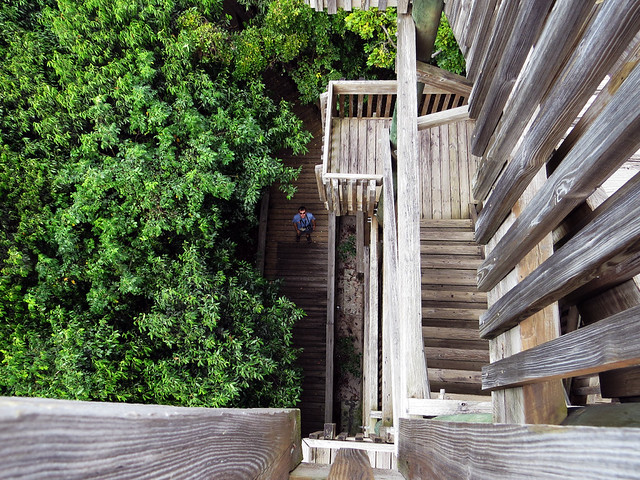
Mangroves at Gumbo Limbo

Gumbo Limbo tower

just an eBird record shot

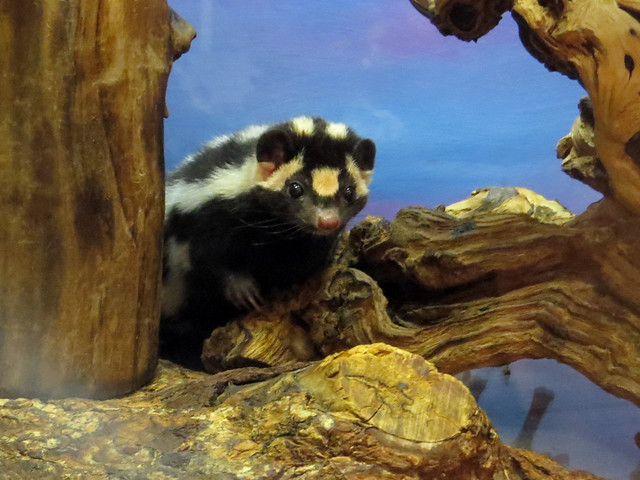
After our cruise, on our way home, we stopped first at Hobe Sound National Wildlife Refuge. We visited their new nature center. The previous nature center there was wiped out by Wilma and other hurricanes; the volunteers there were very happy to have a facility again. They had a Red-tailed Hawk and a Barred Owl in a nice unique display area. They had other permanent resident education animals, including an Eastern Spotted Skunk. We had never seen one before and we were amazed at how small it was! They are just a little bigger than a squirrel and so adorable.
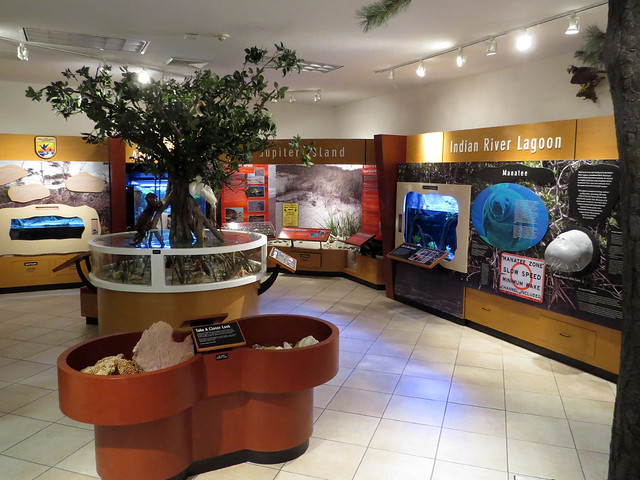
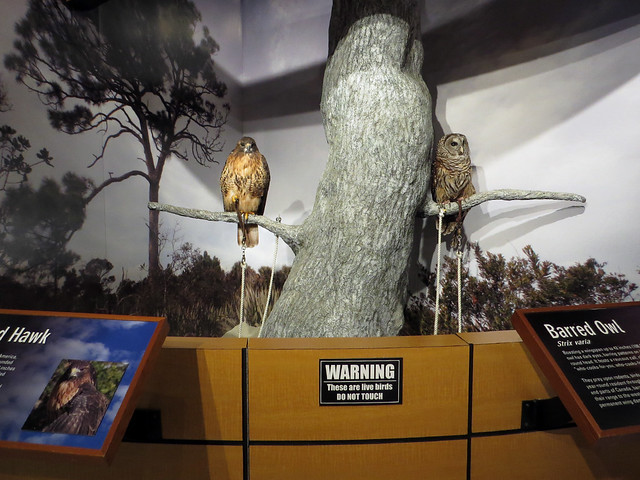
Hobe Sound Nature Center

Hobe Sound Nature Center

Hobe Sound Nature Center

It was a lovely day so we also took a short walk at the refuge. We we had a nice view of the sound.
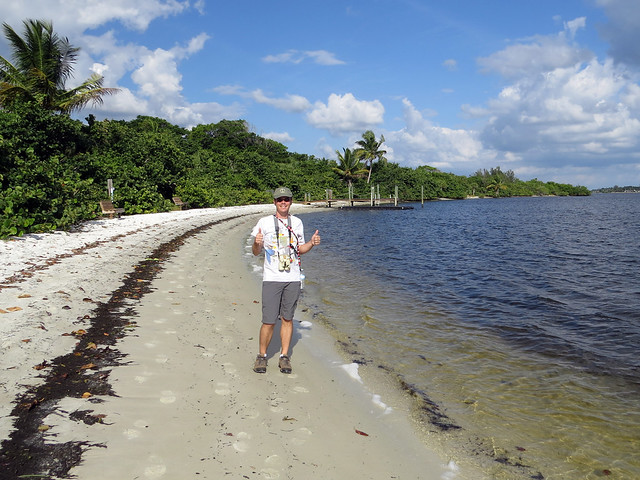
Hobe Sound Nature Center

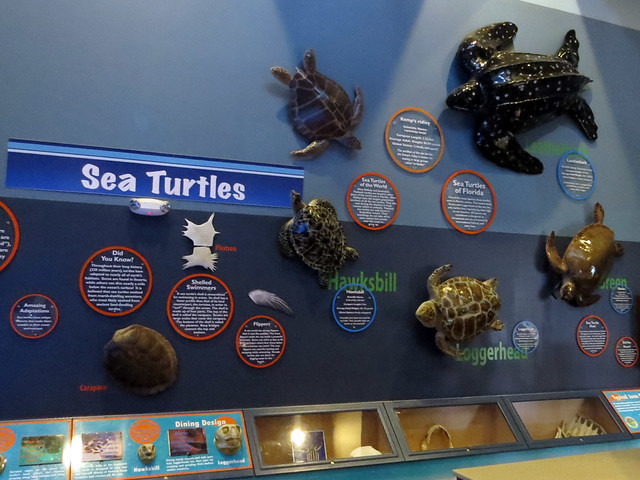
Our next stop was Loggerhead Marinelife Center, a facility that rehabilitates sea turtles. Here we saw the work they do to save injured and sick turtles. They also have a great little museum.
Loggerhead Marinelife Center

Loggerhead Marinelife Center

Loggerhead Marinelife Center

Loggerhead Marinelife Center

Loggerhead Marinelife Center

Loggerhead Marinelife Center

Our final stop on the way home was the wonderful Busch Wildlife Sanctuary. This is a large facility that cares for hundreds of animals of all types each year. On their property they keep many permanently injured animals in various enclosures along a self-guided boardwalk trail. We attended an educational program with some resident animals there.
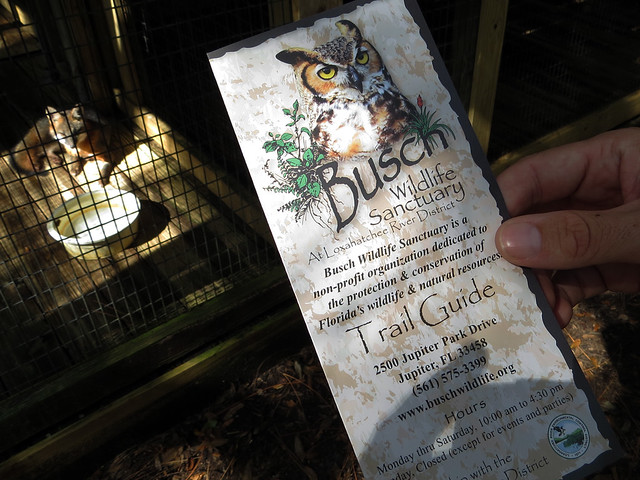
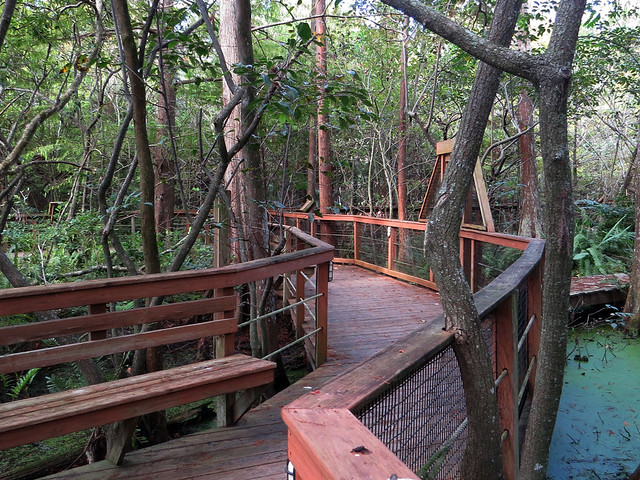
Busch Wildlife Sanctuary

Busch Wildlife Sanctuary

Busch Wildlife Sanctuary
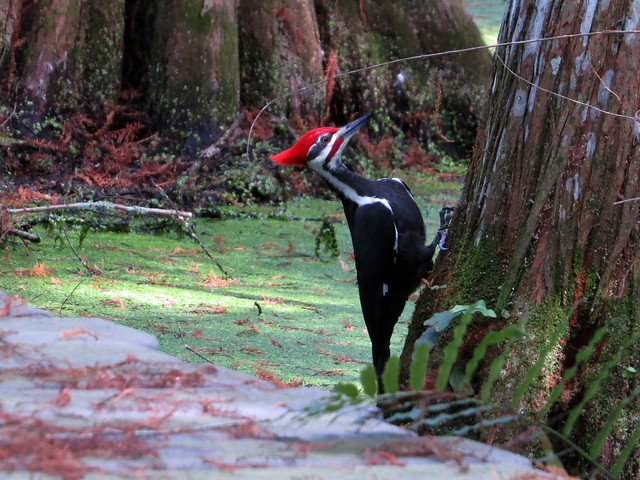
A wild Pilated Woodpecker worked one of the trees in the turtle ponds
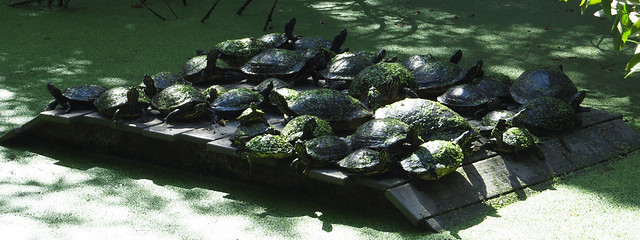
Busch Wildlife Sanctuary

Busch Wildlife Sanctuary
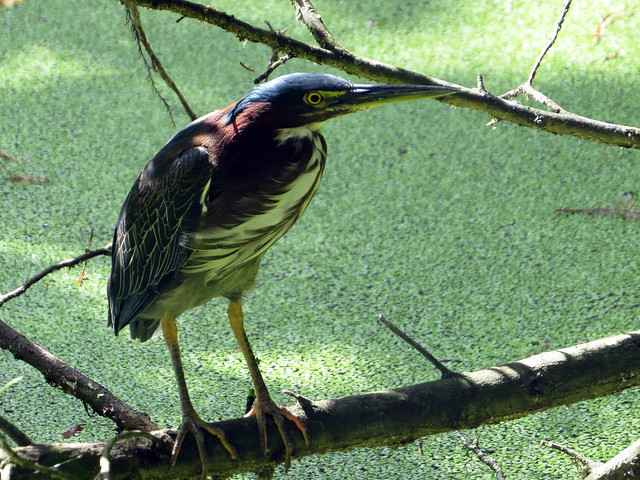
This wild Green Heron hunted nearby

Busch Wildlife Sanctuary
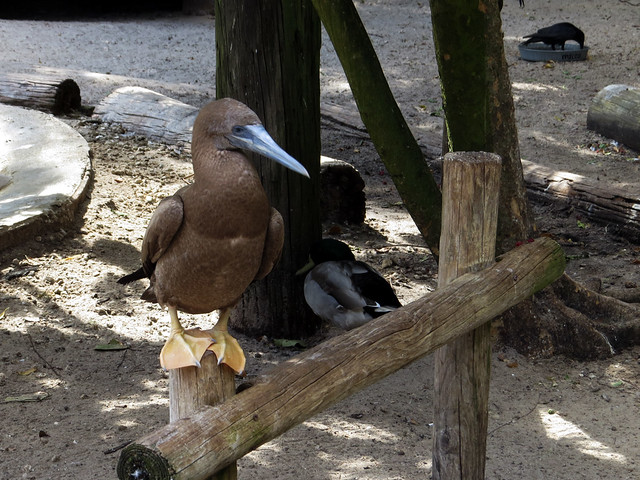
Sanctuary for permanently injured birds
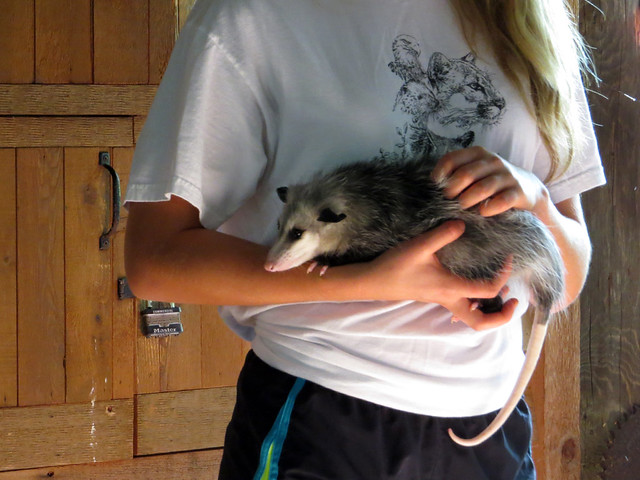
Busch Wildlife Sanctuary
Education Virginia Opossum and handler

While we had been looking forward to stopping at Gumbo Limbo on the way down, we didn’t plan to visit any of the last three spots before our trip. They were all surprises — we just noticed the brown tourist signs on the highway as we headed home and decided to take a few detours. I’m glad we did. 🙂

Share the birds, share the love!
Posted in Florida, Nature Center | Leave a comment

Suburban Bird Counting – Ponce Inlet CBC

On January 3rd Arthur and I joined in the Ponce Inlet CBC for the first time. The count seems to be heavily associated with the Southeast Volusia Audubon Society; it was our first time joining this group in any way. We had a lot of fun!

We were assigned to join Dennis and Barb, who were working their part of the count circle for the second year in a row. Thanks to the scouting work they had done in the previous week, we were able to find some good birds. We were happy to see some parts of our county with which we were not previously familiar as well. In the end, though, the best bird of the day was much-wanted county lifer well outside of our count area.

Here are some photographic highlights of our day of bird counting for the Ponce Inlet CBC!

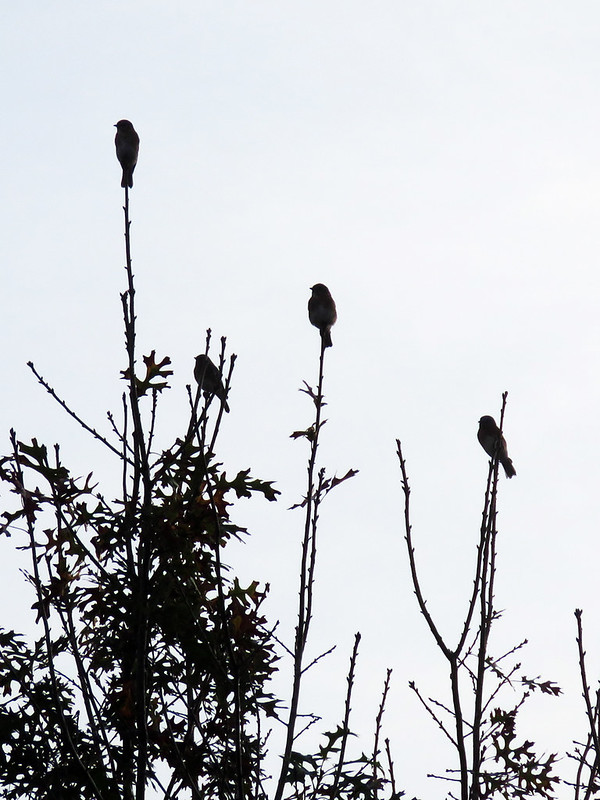
We did a lot of birding-by-car through large subdivisions in Port Orange. We started out at the entrance of a development where one of our first birds was a group of Eastern Bluebirds. Incredibly this was a species I managed to miss in the county during 2014 completely, so I was happy to add it to my Volusia list so early.

Eastern Bluebirds (Sialia sialis)
Eastern Bluebirds in harsh light

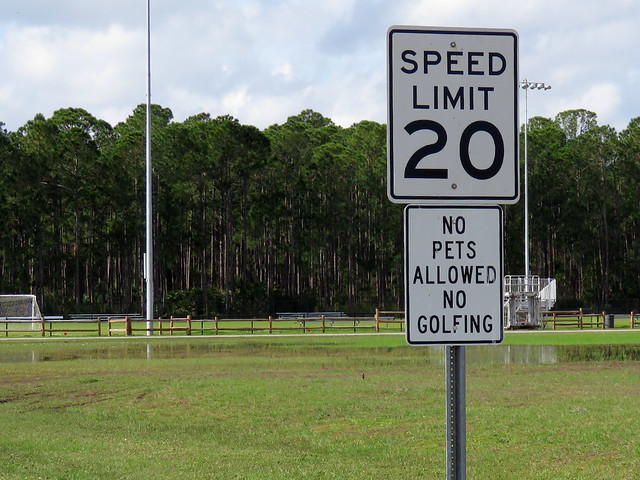
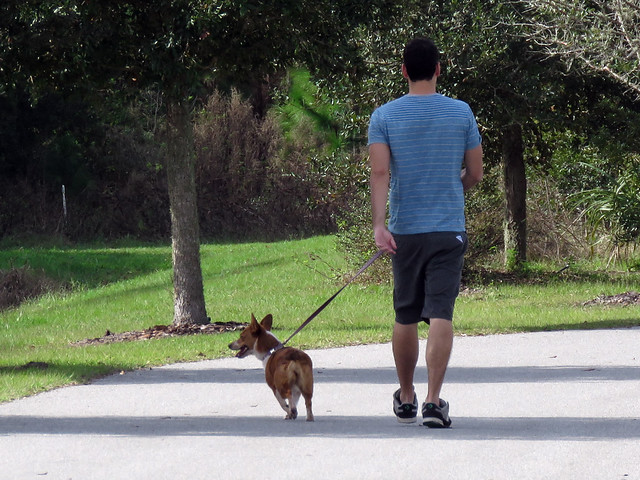
Late in the morning we visited Coraci Park in Port Orange. Our target here was Eastern Meadowlark. When we arrived, there were several cars parked on the dead-end road outside of the gated park. It was not clear why the county park’s gate was closed, but there were several people enjoying the park’s amenities, despite the gated entrance. One visitor walked with a loose dog, ignoring the “No Pets Allowed” signage.

no pets allowed
Clearly marked at Coraci Park

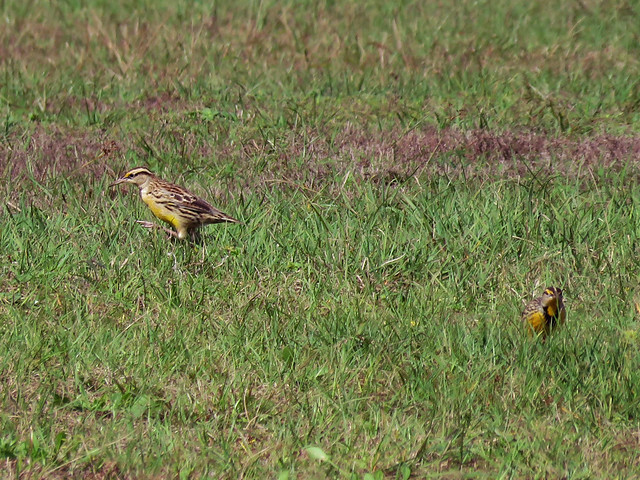
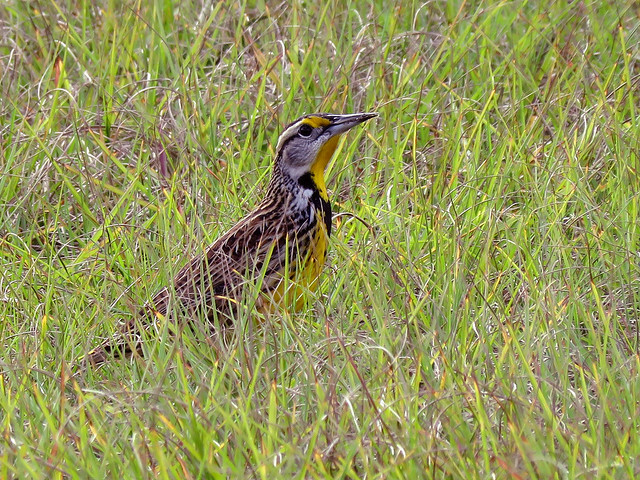
As we looked for the elusive meadowlarks in the park, Arthur and I heard the birds singing their unmistakeable song across the road. We continued to look and found a distant bird outside the park boundary. Meanwhile, the dog-walker left the park. Almost immediately after he and his dog got into their car, seven Eastern Meadowlarks flew in to a mowed area inside the park boundary. I was especially excited to see this species as it was another that I completely missed during the previous year.

Eastern Meadowlark (Sturnella magna)
Eastern Meadowlark

Eastern Meadowlark (Sturnella magna)
Eastern Meadowlarks

While we were enjoying the nice looks at the feeding birds, another jerk with a dog started to walk into the park. Upon seeing our party of four intently staring at a seemingly empty grass lawn through our binoculars, he asked what we were looking at. After a beat no one had spoken, so I said, “we’re looking at the no pets allowed sign.” I was livid and I couldn’t help myself. The birds seemed less spooked by this ass’s dog (maybe because it was leashed, unlike the previous dog) and didn’t fly off as he continued into the park, past us and the sign, with his dog. He said something flip like “must be an interesting sign” or some such B.S. Oh man, I was so mad! It felt a little bit good to have at least said something. I am so not built for confrontation.

no pets allowed, ass
An ass and his dog

In the unseasonable heat we had a little stroll here and added some more birds to our list for the day, including another pair of Eastern Bluebirds.

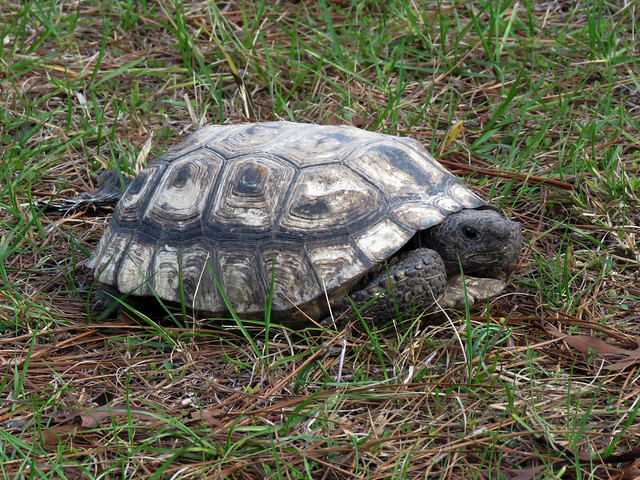
After lunch we visited Cracker Creek, where we walked a fairly birdless trail in a fruitless search for woodpeckers or pretty much anything else. Dennis had parked the car in an open area where we watched a Gopher Tortoise for a moment before setting off on our walk. When we returned to the car, we were all shocked to find the windshield cracked along the driver’s side. After some thought and investigation, foul play was ruled out. Our best guess was that a pine cone fell from the trees above and hit the windshield at a most unfortunate angle. What a lousy bit of luck!

Gopher Tortoise (Gopherus polyphemus)
Our potential witness was nowhere to be found when we returned to the car.

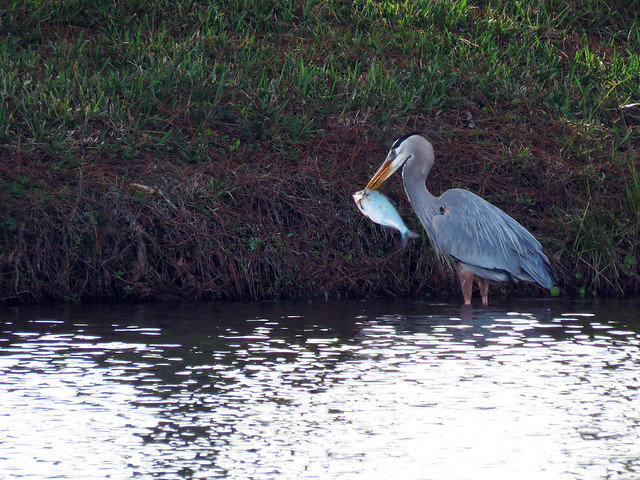
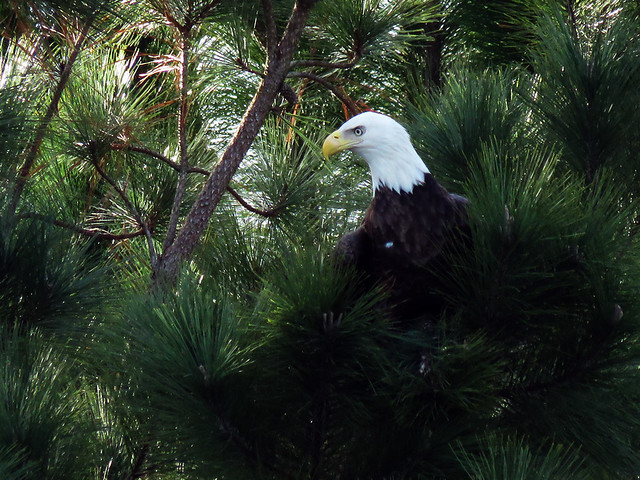
In the late afternoon we returned to the subdivision where we had started our day. There was a lot of activity in a retention pond, so we headed to a bench along the water to take in the action. We saw a large concentration of waders here, plus at least three Bald Eagles flying about and overseeing the area. It was a nice way to wind down from the day of running around counting birds. We saw a Great Blue Heron struggle with a big fish (he managed to eat it). Dozens of Cormorants swam in the pond, all actively fishing.

Great Blue Heron (Ardea herodias)
Great Blue Heron with catch

Bald Eagle (Haliaeetus leucocephalus)
An adult Bald Eagle watches the action

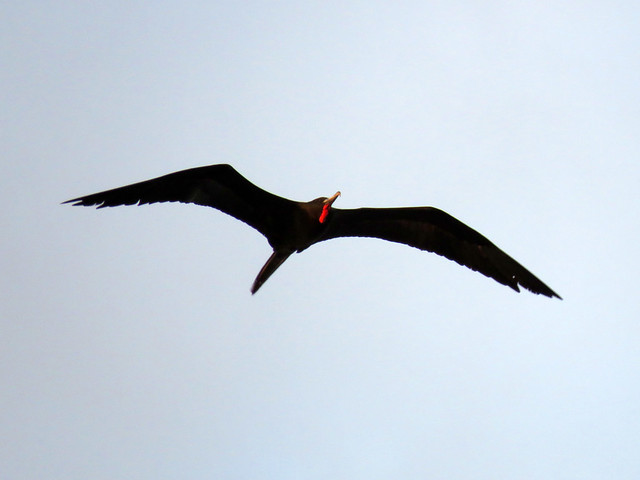
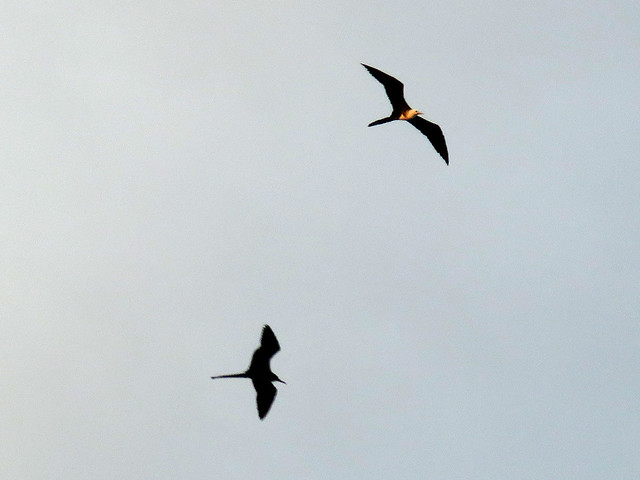
After a short rest nearby at Dennis and Barb’s house, we headed back to the morning’s meeting place to pick up our own car and head to the CBC dinner. Upon our arrival at the parking lot, Arthur shouted out that there was a group of frigatebirds flying overhead. What the what?! I saw them right away, but I couldn’t wrap my head around what I was seeing. A group of five Magnificent Frigatebirds?!? In Volusia County?! That’s not possible! Magnificent Frigatebird was one of my most-wanted county birds — rare sightings usually consist of single, unchaseable birds. A group of five was completely unheard of so when I first saw the unmistakeable silhouettes of five frigatebirds riding the thermals overhead my mind tried to turn them into anything else. Once Dennis got the car parked and we all jumped out, I could no longer deny that there was a freaking FLOCK of freaking Magnificent Frigatebirds gracefully floating above us right there in New Smyrna Beach, Volusia County.

Magnificent Frigatebirds (Fregata magnificens)
Magnificent Frigatebird!

Magnificent Frigatebirds (Fregata magnificens)
Magnificent Frigatebirds!

When we met up with the count group at the restaurant, I asked the trip leader who was responsible for the count area at the meet-up parking lot. We arrived fairly late and I thought we might have been the only lucky S.O.B.s to see the frigatebirds. But the reply to my query was simply, “oh, did you see the frigatebirds?!” so I knew the birds had been seen by others. In fact, “Magnificent Frigatebirds” was being whispered among our group the entire time. It seems this species was “most wanted” by more than just me. 🙂
Share the birds, share the love!
Posted in CBC, Volusia Birding | 1 Comment

Green Birding in Southwest Volusia County, January 2015

I birded at Gemini Springs 15 times last month, where I recorded 74 species. This beats my previous January totals of 70 species in 2014, 68 in 2013, and 61 in 2012. It doesn’t feel like I made 15 visits to the park in January. I hope I can kind of keep it up, because I’d like to complete the February eBirder of the Month Challenge again. The challenge is the same as last February: complete 20 checklists at a patch. Last year I actually got a little bit sick of the same old same old at Gemini Springs day after day. Hopefully 20 lists in February will fly by like the 15 I did in January! The complete list for Gemini Springs is at the end of this post.

Since I’m so interested in my green birding list, I’m going to expand these monthly reports to include other green birding that I did during the month. In January I saw a total of 90 species without the aid of fossil fuel. Besides Gemini Springs, I also visited Audubon Park in Deltona twice, plus I made stops at Lake Monroe Park in DeBary and the Lake Monroe Boat Ramp in Enterprise. I found a few more birds during on a long bike ride around Konomac Lake mid-month. And I picked up a handful of species at home, too.

Here are some photographic highlights of my January green birding in southwest Volusia County.

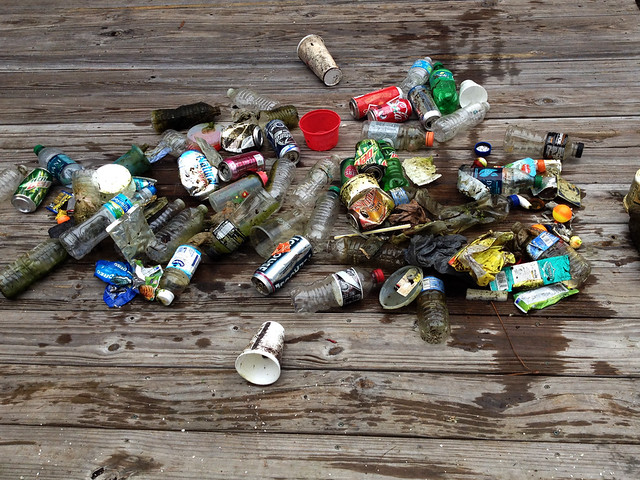
For Christmas Arthur and I got a set of trailers to tow our kayaks with our bikes! We took them out on January 1st for a nice paddle at Gemini Springs where we picked up some trash and got a bunch of FOY (first of year) birds from the water.

bikes & kayaks
Bikes & kayaks ready to go to Gemini Springs | 01 January 2015

trash picked up in the bayou
Trash picked up in DeBary Bayou at Gemini Springs | 01 January 2015

White-tailed Deer (Odocoileus virginianus)
White-tailed Deer at Gemini Springs | 02 January 2015

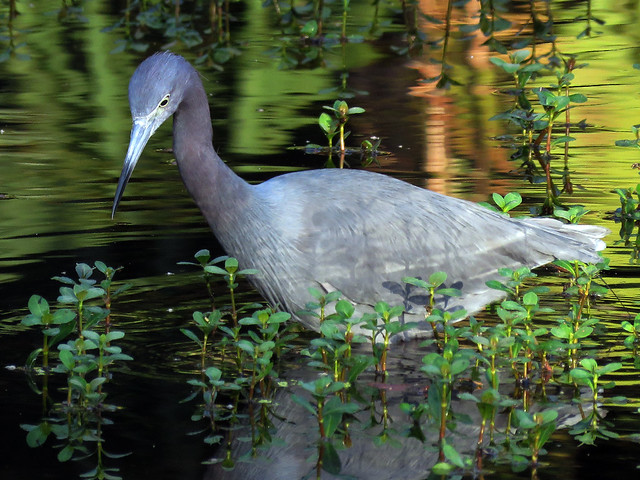
Little Blue Heron (Egretta caerulea)
Little Blue Heron at Gemini Springs | 02 January 2015

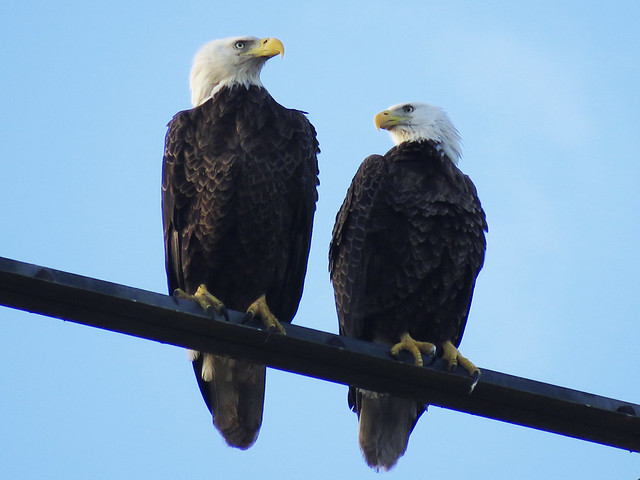
Bald Eagles (Haliaeetus leucocephalus)
Bald Eagles at Gemini Springs | 11 January 2015

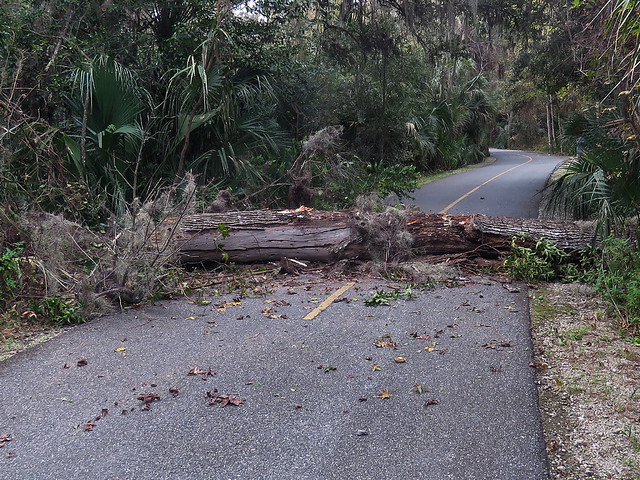
blocked
A fallen tree blocks the Spring-to-spring Trail | 11 January 2015

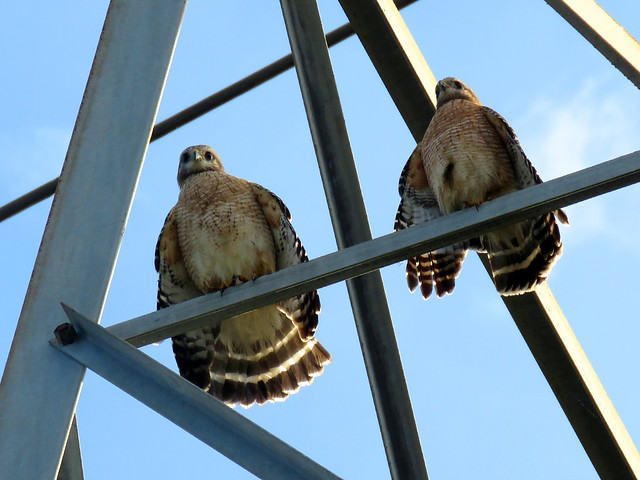
Red-shouldered Hawks (Buteo lineatus)
Red-shouldered Hawks at Gemini Springs | 12 January 2015

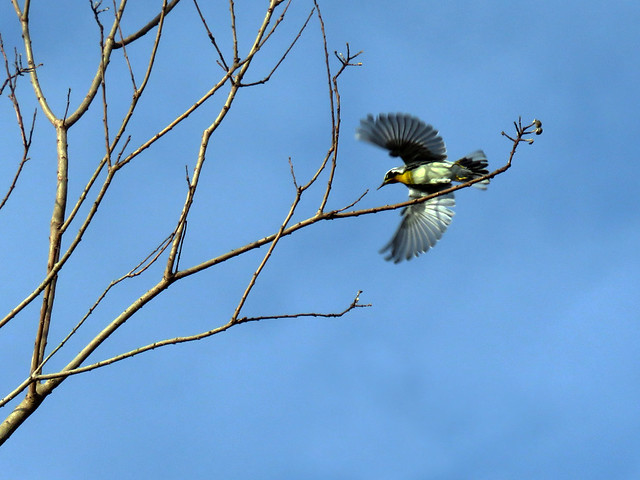
Yellow-throated Warbler (Setophaga dominica)
Yellow-throated Warbler at Gemini Springs | 12 January 2015

Hermit Thrush (Catharus guttatus)
Hermit Thrush at Gemini Springs | 14 January 2015

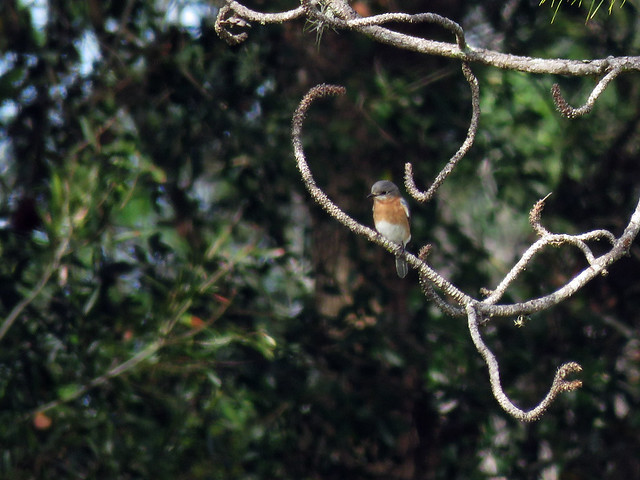
On January 16th I joined the West Volusia Audubon walk at Audubon Park in Deltona. I was super happy to see a pair of Eastern Bluebirds there, especially since I totally missed this species on my 2014 green list.

Eastern Bluebird
Eastern Bluebird at Audubon Park | 16 January 2015

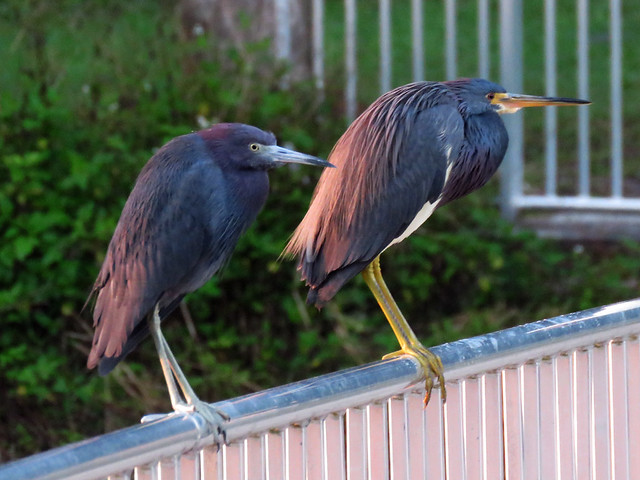
The following photos remind me of someone we used to go birding with back in Illinois. This guy would often remark that a pair of different birds standing together were providing a “good comparison” in case people ever got them mixed up. Except he would say this, in humor, even if the birds were as different as an American Robin and a Mallard! But these two photos really are good comparison shots of two different species that people actually do often mix up. Ah, I miss that old bird club. 🙂
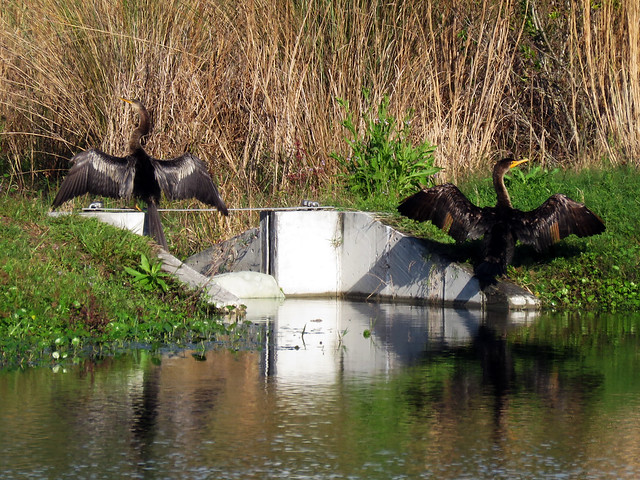
Anhinga, Double-crested Cormorant
Anhinga versus Double-crested Cormorant at Audubon Park | 16 January 2015

Little Blue, Tricolored Herons
Little Blue Heron versus Tricolored Heron at Gemini Springs | 17 January 2015

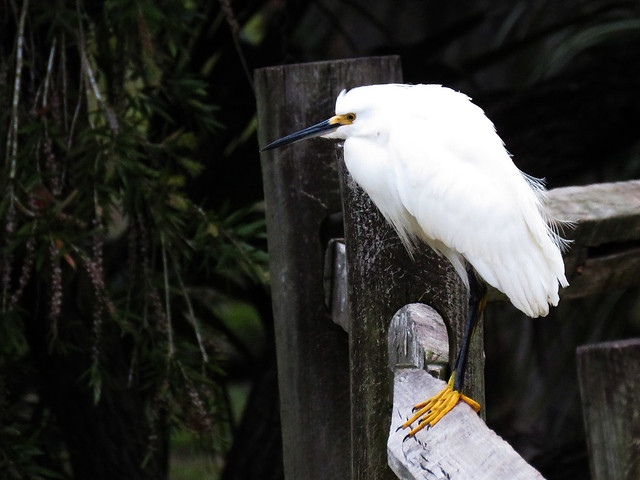
Snowy Egret (Egretta thula)
Snowy Egret at Gemini Springs | 20 January 2015

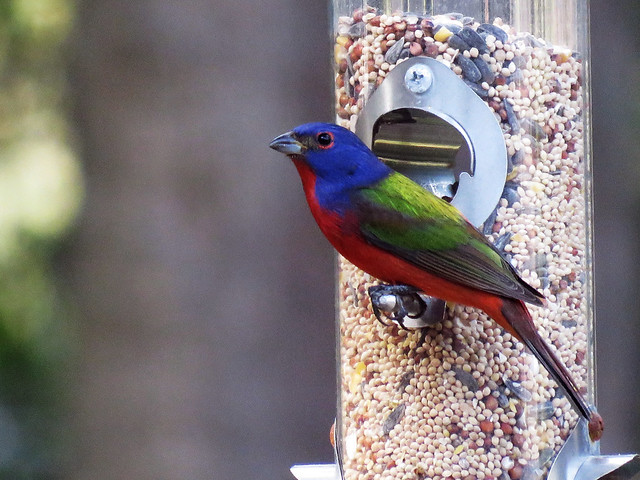
Painted Bunting (Passerina ciris)
Painted Bunting in our back yard | 22 January 2015

Ibis at sunrise
Glossy Ibis sunrise at Gemini Springs | 23 January 2015

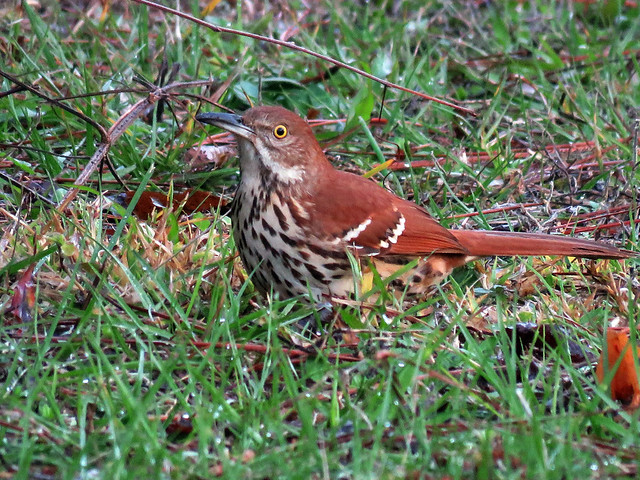
Brown Thrasher (Toxostoma rufum)
Brown Thrasher at Gemini Springs | 23 January 2015

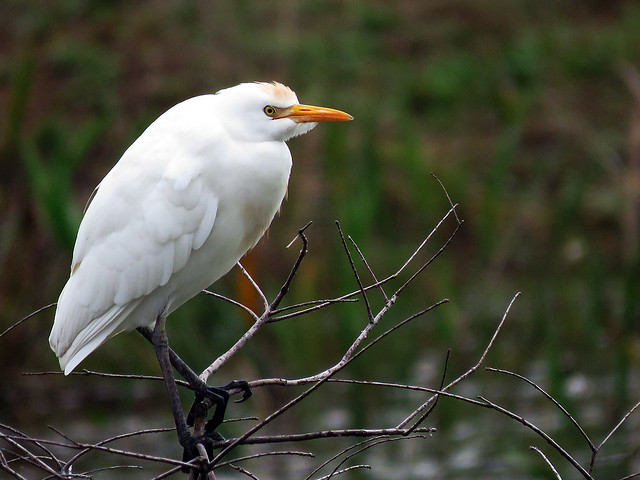
Cattle Egret (Bubulcus ibis)
Cattle Egret at Audubon Park | 24 January 2015

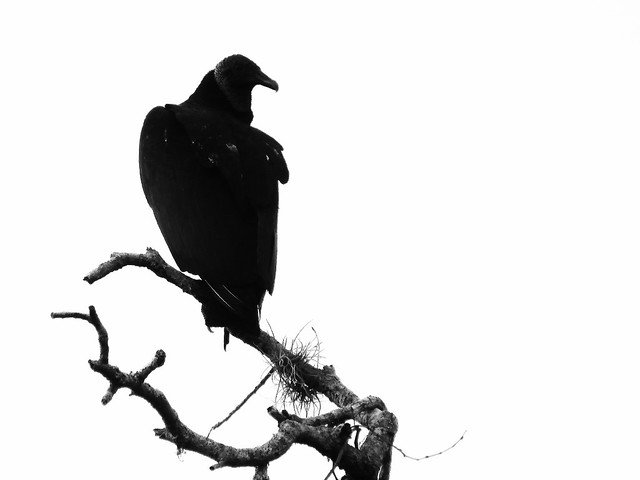
Black Vulture (Coragyps atratus)
Black Vulture at Gemini Springs | 25 January 2015

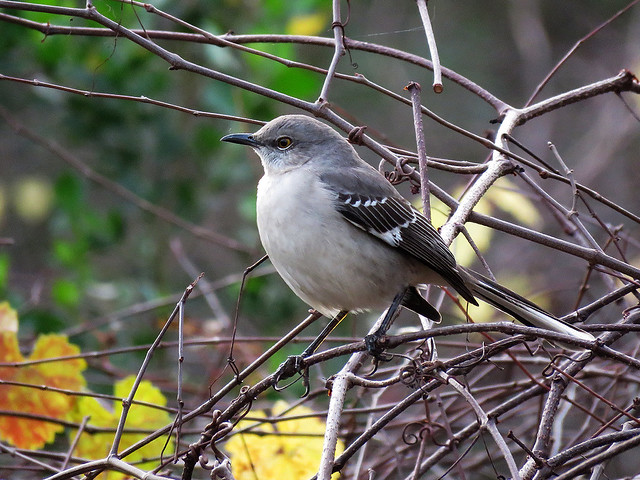
Northern Mockingbird (Mimus polyglottos)
Northern Mockingbird at Gemini Springs | 25 January 2015

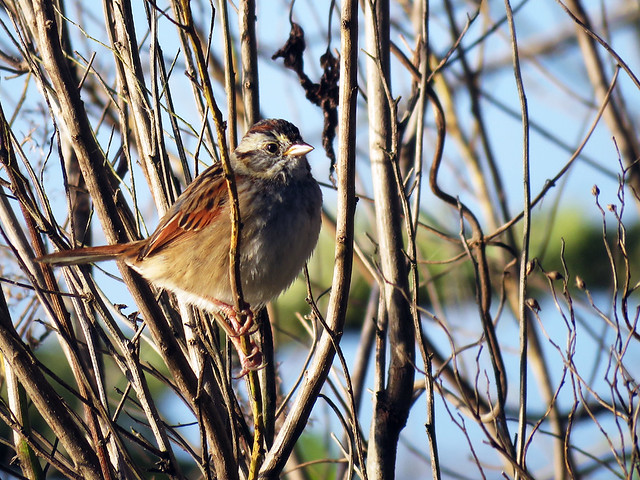
Swamp Sparrow (Melospiza georgiana)
Swamp Sparrow at Gemini Springs | 26 January 2015

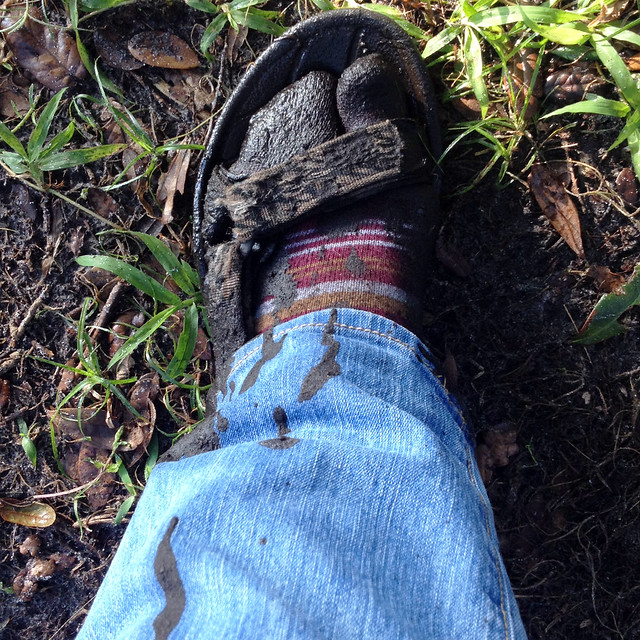
I'm not smart
I’m not very smart – my mud-soaked socked foot at Gemini Springs | 26 January 2015

Gemini Springs bird list, January 2015
Blue-winged Teal – Anas discors
Hooded Merganser – Lophodytes cucullatus
Pied-billed Grebe – Podilymbus podiceps
Wood Stork – Mycteria americana
Double-crested Cormorant – Phalacrocorax auritus
Anhinga – Anhinga anhinga
American Bittern – Botaurus lentiginosus
Great Blue Heron – Ardea herodias
Great Egret – Ardea alba
Snowy Egret – Egretta thula
Little Blue Heron – Egretta caerulea
Tricolored Heron – Egretta tricolor
Cattle Egret – Bubulcus ibis
Green Heron – Butorides virescens
White Ibis – Eudocimus albus
Glossy Ibis – Plegadis falcinellus
Black Vulture – Coragyps atratus
Turkey Vulture – Cathartes aura
Osprey – Pandion haliaetus
Northern Harrier – Circus cyaneus
Cooper’s Hawk – Accipiter cooperii
Bald Eagle – Haliaeetus leucocephalus
Red-shouldered Hawk – Buteo lineatus
Red-tailed Hawk – Buteo jamaicensis
Sora – Porzana carolina
Common Gallinule – Gallinula galeata
American Coot – Fulica americana
Limpkin – Aramus guarauna
Killdeer – Charadrius vociferus
Ring-billed Gull – Larus delawarensis
Forster’s Tern – Sterna forsteri
Mourning Dove – Zenaida macroura
Barred Owl – Strix varia
Belted Kingfisher – Megaceryle alcyon
Red-bellied Woodpecker – Melanerpes carolinus
Yellow-bellied Sapsucker – Sphyrapicus varius
Downy Woodpecker – Picoides pubescens
Pileated Woodpecker – Dryocopus pileatus
American Kestrel – Falco sparverius
Eastern Phoebe – Sayornis phoebe
Loggerhead Shrike – Lanius ludovicianus
White-eyed Vireo – Vireo griseus
Blue-headed Vireo – Vireo solitarius
Blue Jay – Cyanocitta cristata
American Crow – Corvus brachyrhynchos
Fish Crow – Corvus ossifragus
Tree Swallow – Tachycineta bicolor
Tufted Titmouse – Baeolophus bicolor
House Wren – Troglodytes aedon
Carolina Wren – Thryothorus ludovicianus
Blue-gray Gnatcatcher – Polioptila caerulea
Ruby-crowned Kinglet – Regulus calendula
Hermit Thrush – Catharus guttatus
American Robin – Turdus migratorius
Gray Catbird – Dumetella carolinensis
Brown Thrasher – Toxostoma rufum
Northern Mockingbird – Mimus polyglottos
Cedar Waxwing – Bombycilla cedrorum
Black-and-white Warbler – Mniotilta varia
Orange-crowned Warbler – Oreothlypis celata
Common Yellowthroat – Geothlypis trichas
Palm Warbler – Setophaga palmarum
Pine Warbler – Setophaga pinus
Yellow-rumped Warbler – Setophaga coronata
Yellow-throated Warbler – Setophaga dominica
Prairie Warbler – Setophaga discolor
Chipping Sparrow – Spizella passerina
Savannah Sparrow – Passerculus sandwichensis
Swamp Sparrow – Melospiza georgiana
Northern Cardinal – Cardinalis cardinalis
Red-winged Blackbird – Agelaius phoeniceus
Common Grackle – Quiscalus quiscula
Boat-tailed Grackle – Quiscalus major
American Goldfinch – Spinus tristis

Share the birds, share the love!
Posted in Gemini Springs, Green Birding, Kayak, Volusia Birding | Leave a comment

Banded, Flagged & Tagged

Red Knot (Calidris canutus)

I found a few banded or marked birds last month. I always find it fun to learn about these specially marked birds, their journeys and life histories. It’s also interesting to learn how scientists are using the data in their studies.

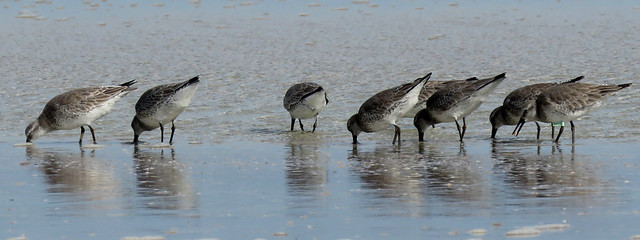
Red Knots on January 5th

On January 5th I walked along the beach at Ponce Inlet for a while during Arthur’s weekly volunteer shift at the Marine Science Center. During my walk I found four lime-green flagged Red Knots. I reported all of these to http://www.bandedbirds.org. When flagged birds are in this database, you can see the reported resighting data immediately, which is neat. Here are the birds I found at Ponce Inlet on January 5th:

Red Knot T2T was first captured and banded on May 16, 2008. That means it was at least six and a half years old when I found it! It was banded in New Jersey and subsequently resighted many times, in New Jersey, South Carolina, and Florida.

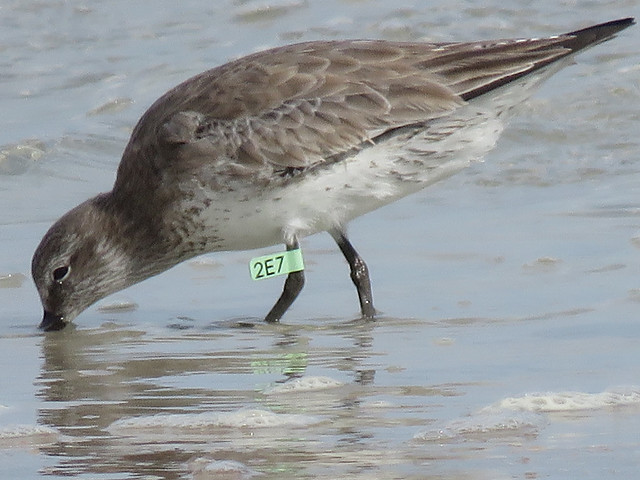
Red Knot 2E7 was first captured and banded on April 1, 2014, in South Carolina. The bird was reported in Ontario in July of last year before my sighting at Ponce Inlet.

Red Knot (Calidris canutus) 2E7

Red Knot 9PU was first captured and banded on May 14, 2010 in New Jersey. It has since been resighted in New Jersey, Georgia, Delaware, South Carolina, and Florida.

Red Knot 2YJ was first captured and banded on May 16, 2010, just two days after 9PU, at the same location in New Jersey.

Since these birds were all foraging together in a larger flock, I was curious if they have been reported together elsewhere. On November 10, 2011, both 9PU and 2YJ were seen at Wolf Island National Wildlife Refuge in Georgia. On the same day, T2T was still in New Jersey. The following spring, T2T was in South Carolina on April 20, while 2YJ was still down in Florida. On February 14, 2014, 2YJ and 9PU were both reported in Ponce Inlet. There are a few more instances two or more of these birds being reported together. That’s pretty neat!

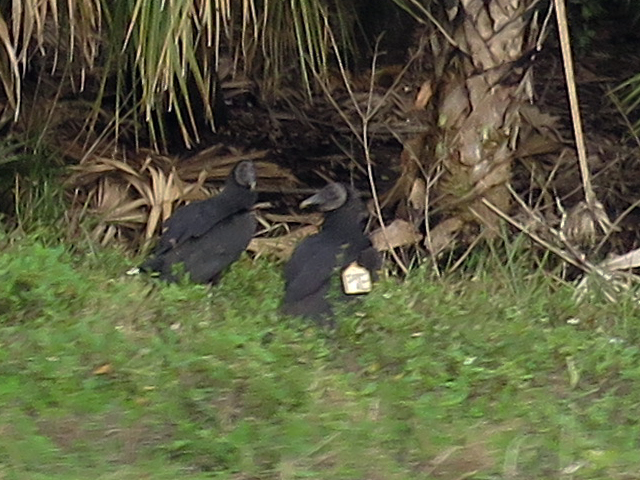
Wing-tagged Black Vulture at MINWR

On January 10th my parents joined my husband and me for an afternoon at Merritt Island National Wildlife Refuge. We found a wing-tagged Black Vulture. Here’s a terrible photo.

_PXE

The wing tag reds PXE. The bird was located along Kennedy Parkway close to Wilson’s Corner, loafing with a group of about 12 other vultures. With a quick Google search I found out about an ongoing study of vultures by the NASA Environmental Management Branch. I sent in the information and was thanked for doing so; unfortunately I didn’t learn anything more about this wing-tagged bird but presumably the birds in the study are year-round residents of Merritt Island.

Piping Plovers and more Red Knots on January 19th

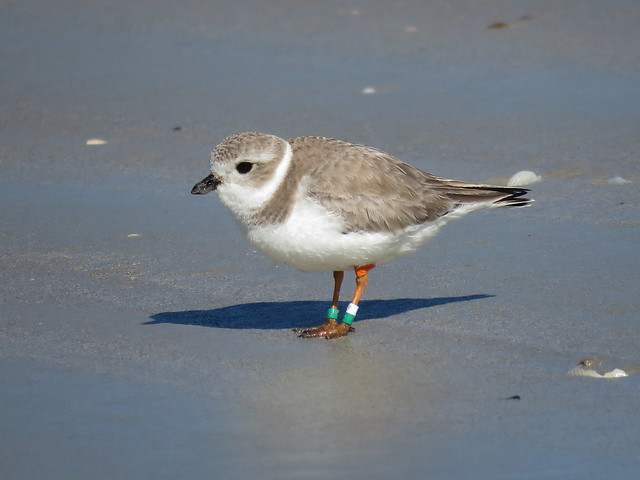
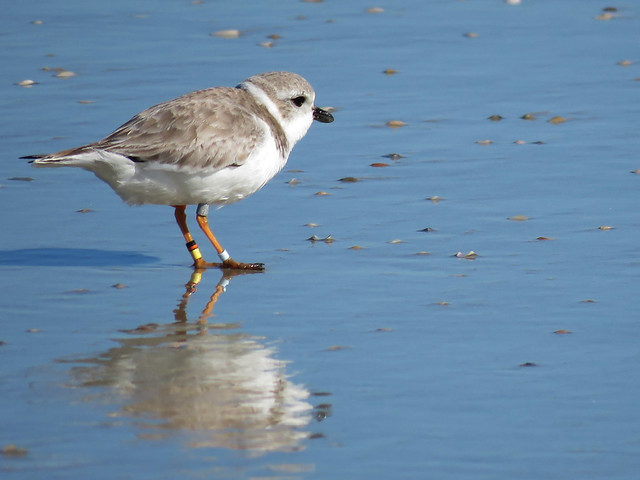
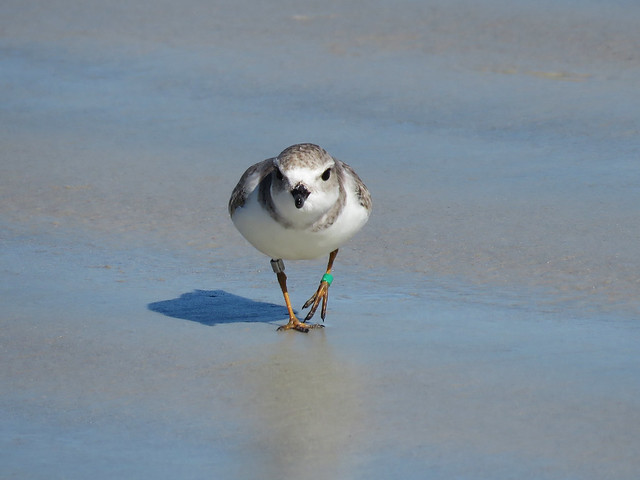
On January 19 I again walked the beach at Ponce Inlet while Arthur was volunteering. I found a few more flagged Red Knots and three color banded Piping Plovers.

I reported the Piping Plovers, but I haven’t heard anything back yet.

UPDATE 2/6/15: Luck would have it that just days after I posted this, I heard back from the Great Lakes Piping Plover Conservation Team about all three of these birds. Updates in red:

Piping Plover (Charadrius melodus)

This bird “was captive-reared after his nest washed out in a big wave at Sleeping Bear Dunes National Lakeshore in 2012.” The eggs had to be recovered; 3 of the 4 were found after diligent searching. The eggs hatched and the healthy chicks were raised until they were flighted. They were eventually released close to the site where the nest was washed out. This bird was given the nicknamed “little Cooper”.

Piping Plover (Charadrius melodus)

This is another bird from the Great Lakes Piping Plovers population. It hatched in 2014 at Apostle Islands National Lakeshore in Wisconsin.

Piping Plover (Charadrius melodus)

This Piping Plover was hatched in 2009 at Sleeping Bear Dunes National Lakeshore in Michigan. Since 2012 she has been seen nesting in Gulliver, in Michigan’s Upper Peninsula.

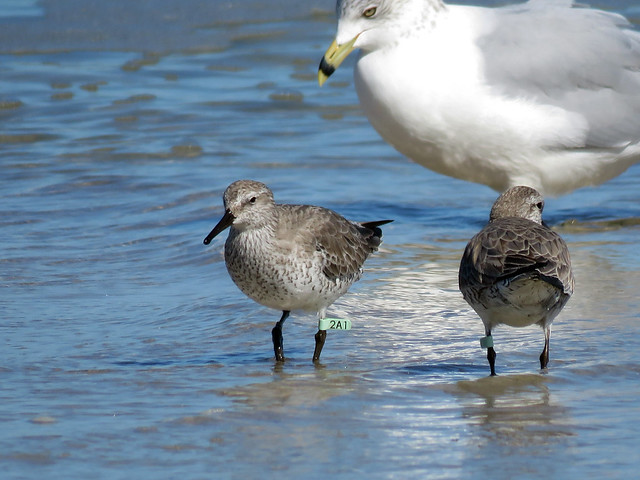
I also found and reported six different flagged Red Knots in three separate flocks over a 3-mile stretch of beach.

Red Knot 047 was first captured and banded in September 2009 at Monomoy National Wildlife Refuge in Massachusetts.

Red Knot 038 was first captured and banded in September 2009 at Monomoy NWR.

Red Knot 2A1 was first captured and banded in September 2011 at Monomoy NWR.

Red Knot (Calidris canutus) 2A1

Red Knot AV8 was first captured and banded on August 27, 2007, in New Jersey.

Red Knot TNV was first captured and banded in November 2005 in Avalon, New Jersey. This bird is at least ten years old and has been resighted many times over the years up and down the east coast of the United States.

Red Knot V5M was first captured and banded in March 2011 in South Carolina. I’ve seen V5M before, at the end of 2013 during the Daytona Beach CBC.

Finally, also on January 19, I found another bird I’ve seen before. F05 has returned to Volusia shores once again! Now he’s even more famous — he’s been immortalized by Birdorable! 😉

Share the birds, share the love!
Posted in Banding, Ornithology | Leave a comment